




![JV boys soccer goalie sophomore Bear Brummett does a goal kick. Normally, Brummett plays defense, but when starting goalie sophomore Kurt Schratweiser missed a match due to illness, Brummett was thrust into the role. “[Brummett] did a great job, especially considering he hadn’t played the position in so long,” Head Coach Casey McDonough said.](https://spschronicle.org/wp-content/uploads/2026/01/image2-1200x800.jpg)








The engines rumble. The crowd rises. Tires spin, smoke spirals and the race begins — lights out, and away they go. For a sport about speed, Formula 1 (F1) is suddenly racing toward something else: a cleaner, greener and more sustainable future.
Just three days ago on Dec. 7, McLaren driver Lando Norris became Formula 1’s newest world champion, finishing only two points ahead of former champion Max Verstappen. The close fight brought excitement to the season as the sport heads into major changes.
The Fédération Internationale de l’Automobile (FIA) plans to reach net-zero carbon emissions by 2040, changing how the world’s fastest sport operates.
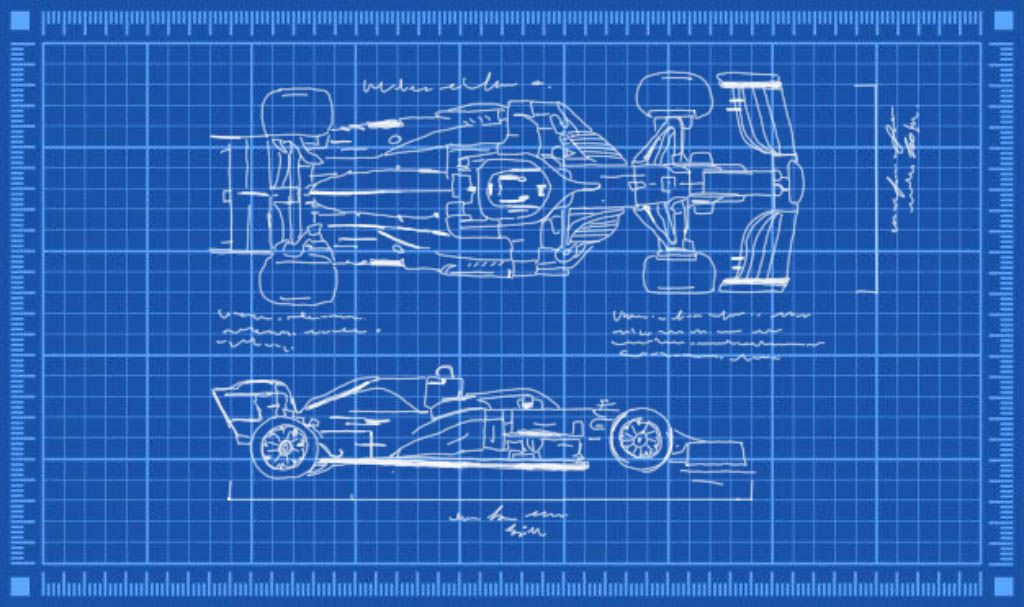
Many regulations announced on June 6, 2024, will take effect when the 2026 season begins in March, making F1 cars smaller, lighter and more efficient. The FIA says these regulations will improve racing and reduce energy use, although the most significant change will happen to the engine.
A newly designed power unit will split the energy evenly between two sources: 50 percent electric and 50 percent combustion. The fuel will be entirely from renewable or synthetic materials instead of fossil fuels, making it 100 percent sustainable.
The 2026 design will also make the cars safer for drivers. A new crash structure and stronger materials will help better absorb impacts, and reduced car weight should make them easier to control at high speeds.
As teams prepare for these big changes, Verstappen has openly questioned how the new era might affect his long-term future in the sport. “My contract runs until 2028 but it will depend on the new rules in 2026, and if they are nice and fun. If they are not fun, then I don’t really see myself hanging around.” Verstappen said in an interview with PA.
FIA President Mohammed Ben Sulayem said the changes mark an important step forward for the sport’s technology and sustainability goals.
Goldstein isn’t wrong. While F1 has made progress in cutting down its carbon emissions — reducing them from 256,551 metric tons of CO2 in 2019 to 168,720 metric tons in 2024 — nearly half of the emissions — approximately 45 to 49 percent — come from logistics, including the cost of moving cars, equipment and supplies in addition to using planes, ships and trucks.
“Business Travel” adds another 27 percent. Emissions from the cars themselves make up less than one percent of the total.
“They should care about the environment when they’re transporting,” Goldstein said. “They’re shipping cars across the world constantly, and that’s causing way more emissions than the cars going around in a circle for a few hours.”
Freshman Sachin Nayeghandi, another F1 fan, agreed that while sustainability is important, it risks changing what makes the sport unique. “I think it would just make the sport a lot more boring,” he said. “Even from the V12s to the current hybrid V6, the cars lost their sound. The classic Formula 1 roar was just so cool to hear.”
Still, F1 believes these steps are necessary for the sport to survive in a changing world. Many changes have already been made, such as using renewable energy at races and transporting equipment by sea instead of air to reduce pollution.