



![JV boys soccer goalie sophomore Bear Brummett does a goal kick. Normally, Brummett plays defense, but when starting goalie sophomore Kurt Schratweiser missed a match due to illness, Brummett was thrust into the role. “[Brummett] did a great job, especially considering he hadn’t played the position in so long,” Head Coach Casey McDonough said.](https://spschronicle.org/wp-content/uploads/2026/01/image2-1200x800.jpg)

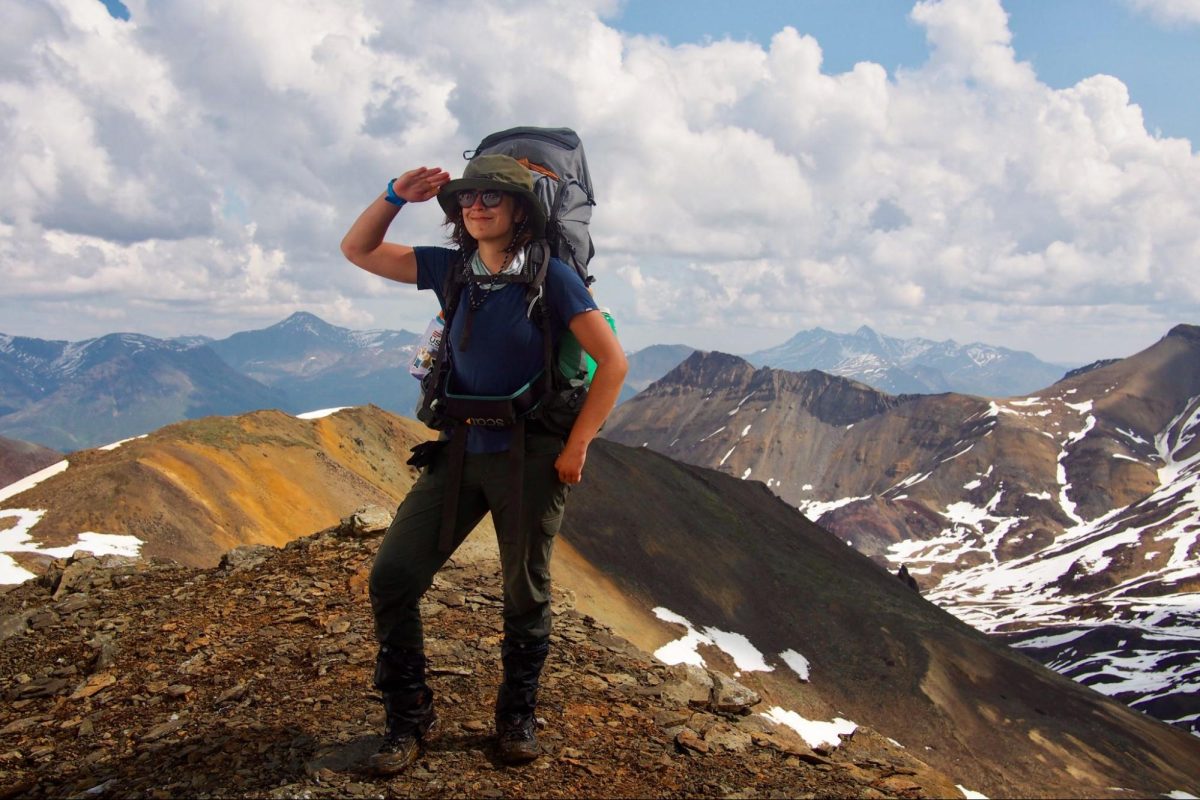





Two years ago, junior Claire James knelt into the water, small waves lapping her hand as she hung an artificial oyster reef she made herself over her dock. Admiring her work, she rose to her feet. A smile rippled up her lips. A job well done. Only, the job isn’t finished. Not yet.
James, now the President of the Fishing Club, hoped her idea would spread through the Tampa Bay area to other locations, but crafting oyster reefs requires a significant time and labor commitment. So, her Upper School Art & 3D Design Teacher and Fishing Club Sponsor Casey McDonough introduced her to University of South Florida (USF) professor Dr. Tina Piracci, who has developed a project similar to James’ with her students using a 3D printer to create oyster reefs. The two have since established a partnership, inching toward their joint vision of sustainable fishing.
“Having grown up on the water, I’ve always been passionate about the ocean and conservation,” James said. “I’ve formed a deep connection with Tampa Bay and the organisms that live there.”
Specifically, the organism consuming much of her focus is largely responsible for the development of the oyster reefs. According to the Florida Department of Environmental Protection, oysters in their larval states attach to hard surfaces they find underwater, and when they mature, they form the reefs. Then, these natural reefs carry out functions essential to the marine ecosystem, and in turn, benefit local fisheries.
“The reefs provide a source of food and [shelter] for marine life. They attract fish and also help keep the natural food chain in balance,” James said. As areas where organisms congregate, oyster reefs enable fishers to find these species more quickly, fueling both the economy and our dietary needs.
However, over 85 percent of the reefs have perished due to chronic overharvesting by fishers and ocean acidification — decreasing availability of calcium carbonate that comprises their shells — brought on by global warming. Because of their rapid decline, the remaining oysters need additional support in repopulating areas like St. Pete.
“The intention with these [artificial] reefs is not to introduce new structures [or] ecosystems that have never existed in this region before, but to try to improve the health of an ecosystem that humans have negatively impacted,” US Science Teacher Dr. Carlie Saval said. “Over time, these reefs can hopefully restore the ecosystem balance, increase biodiversity and boost fishery populations.”
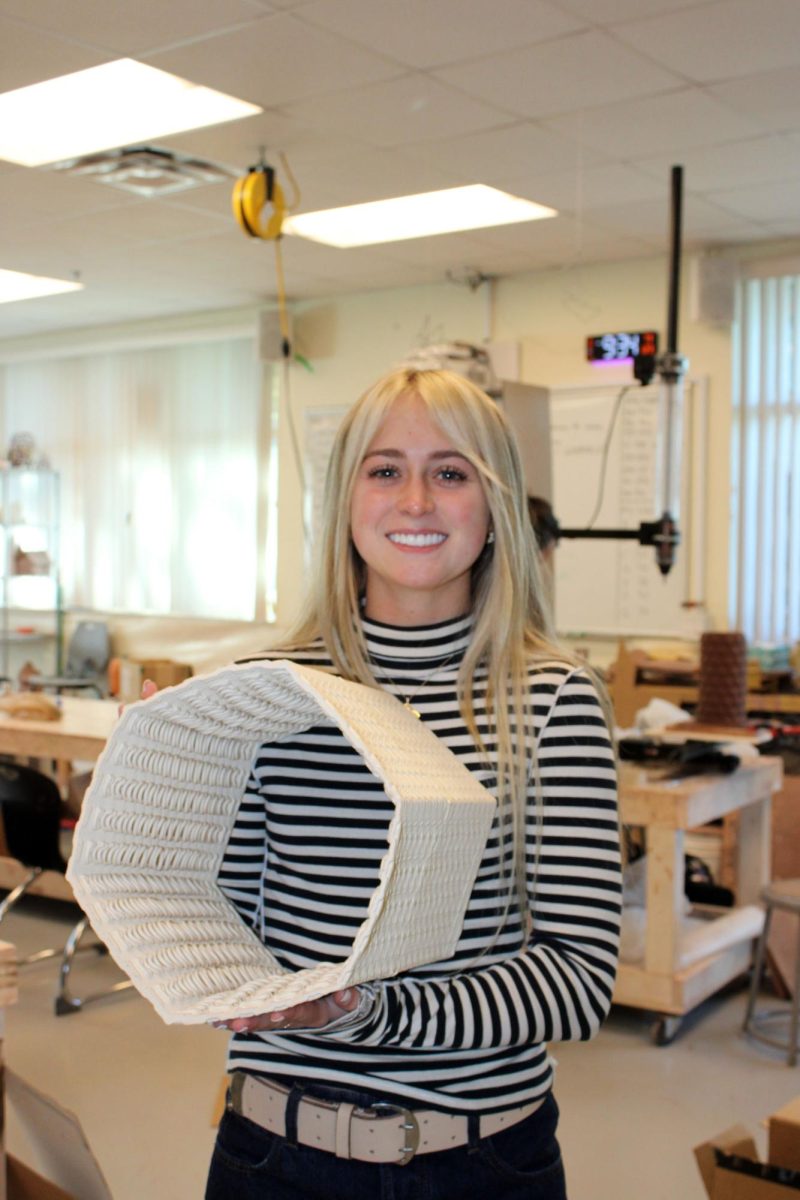
As for the artificial reefs’ construction, Dr. Piracci prints ceramic blocks arranged in a hexagonal pattern to best stimulate oyster growth. While James learns how to replicate this process herself, she isn’t the only one hoping to spread the project.
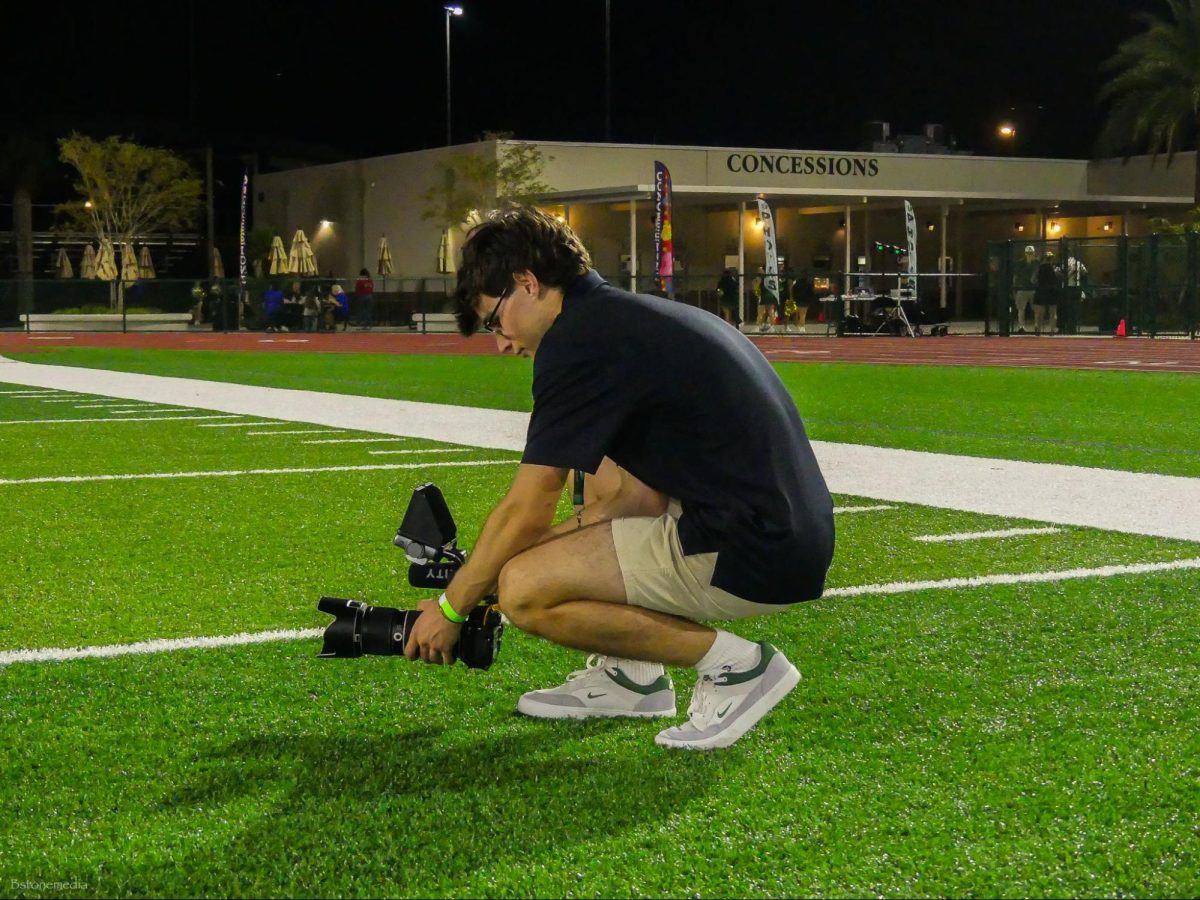
Recently, McDonough purchased a 3D clay printer, “after which we will be able to contribute to [Piracci’s] project by printing the ceramic blocks as well as utilizing the new technology in my own curriculum,” he said.
Although the project is rooted in helping oysters, it may also help those who choose to participate in it. “Shorecrest has a commitment to service and the resources to support all sorts of projects here in Tampa Bay,” McDonough said, “so it makes sense to get involved with this project. It’s environmentalism and conservation from a very unique and creative angle.”
James agreed. “[The project] ended up working out even better than I had imagined, as now I am able to combine my love of marine science with my love of art,” she said.